
7 Campaigns That Defined 2024
Seven standout campaigns from 2024 prove that bold creativity, smart strategy, and cultural relevance can drive big results even in challenging times.

Marketing in 2024 was a rollercoaster. With a blockbuster Summer Olympics in Paris and a reawakening of brand-building, the industry had plenty of highs. But the final stretch of the year felt tense as consumer pullbacks returned, and marketers scrambled to do more with less. Some brands hit it out of the park, revitalizing their image and boosting sales. Others stumbled with flashy but directionless trends or AI-driven campaigns that missed the mark.
The campaigns below didn’t just grab attention—they delivered real results. Here’s a breakdown of seven standout campaigns from 2024 and the strategies that made them shine.
1. Liquid Death: Best Challenger Brand Marketing
Liquid Death is the master of chaos marketing. This canned water brand dominated 2024 with bold collaborations and viral stunts. Their partnership with E.l.f. Cosmetics launched a corpse-paint makeup line, which racked up 250 million social impressions. A hot fudge sundae partnership with Van Leeuwen sold out in seven hours and became the top grocery limited-time offer on Amazon.
The wildest stunt? A $68,000 casket cooler auctioned off with Yeti. This approach not only fueled engagement but also boosted their $1.4 billion valuation. Their strategy: keep the content flowing, and let the audience do the talking.
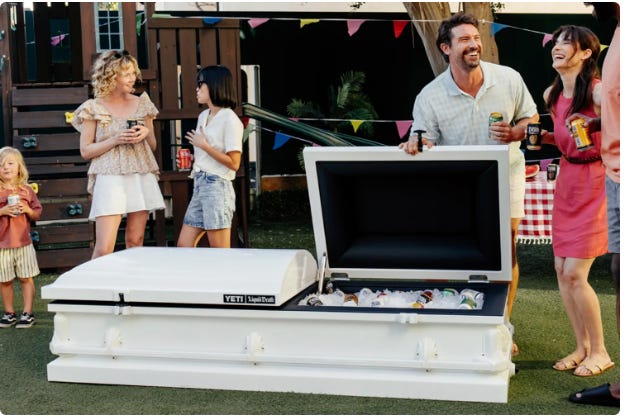
Key Tactic: Non-stop creativity with unexpected brand pairings that blur the line between sense and nonsense.
2. Chili’s Big Smasher BurgerTime: Best Use of Nostalgia
Chili’s nailed it with an ‘80s arcade throwback. They reimagined the classic video game BurgerTime to promote their Big Smasher menu item. Players navigated ladders to assemble burgers while battling the “Fast-Food Syndicate.” The campaign reinforced Chili’s value messaging at a time when fast-food competitors were scrambling to defend their own.
In just 20 days, the game amassed over 8,000 hours of playtime. That’s nearly a full year of engagement in less than a month.
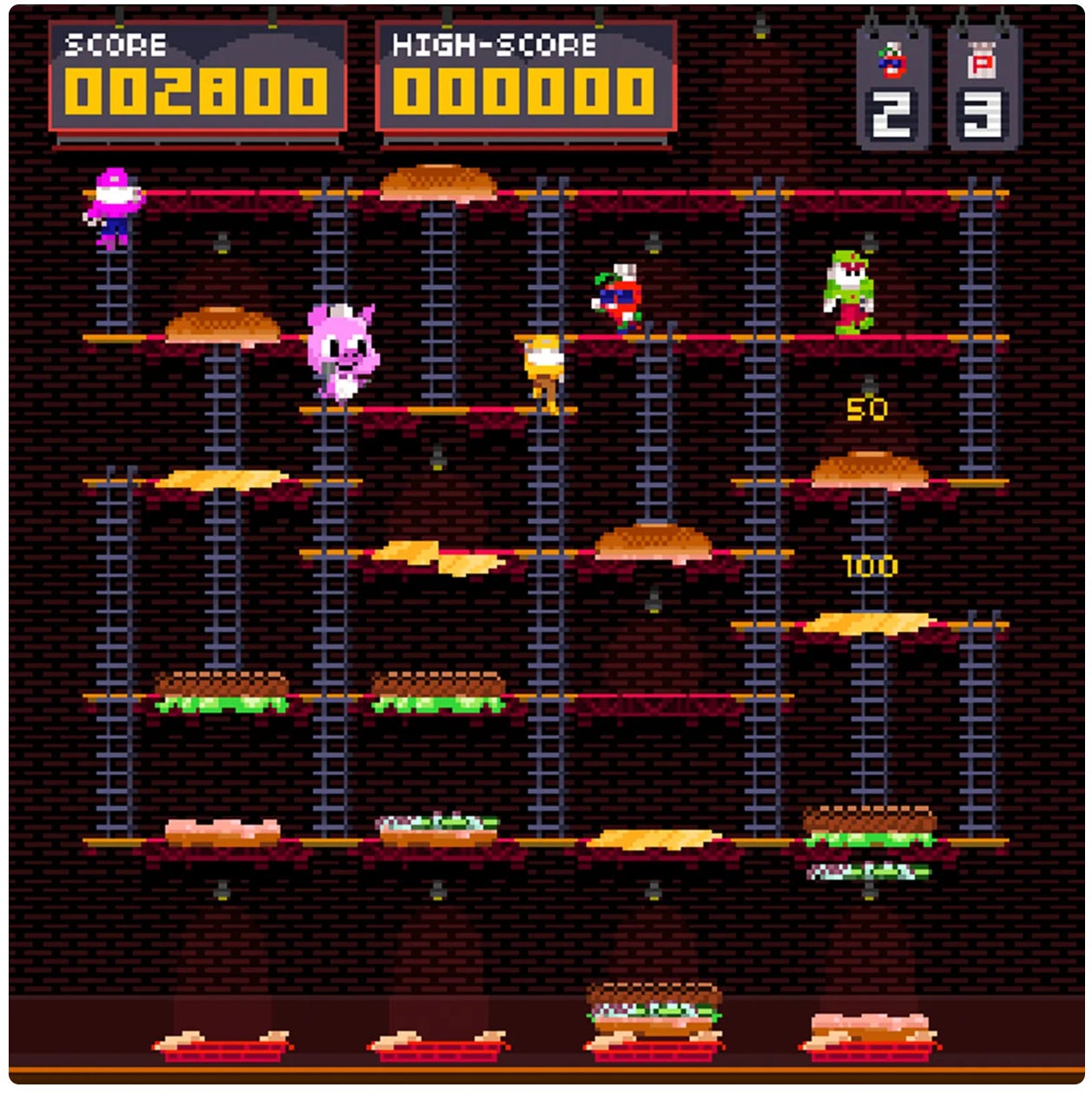
Key Tactic: Leveraging nostalgia with purpose. Chili’s tapped into simple retro gaming fun while tying it directly to their value proposition.
3. Calvin Klein: Best Celebrity Tie-In
Calvin Klein turned heads with Jeremy Allen White of The Bear. In January, they released a steamy campaign featuring White in classic Calvin Klein styles, set to Lesley Gore’s “You Don’t Own Me.” The internet went wild. The campaign generated $74 million in media value, with $12 million earned in just 48 hours.
The brand doubled down in August with a follow-up ad featuring White poolside, soundtracked to “Crimson and Clover.” This approach of extending partnerships over time gave fans more of what they wanted.
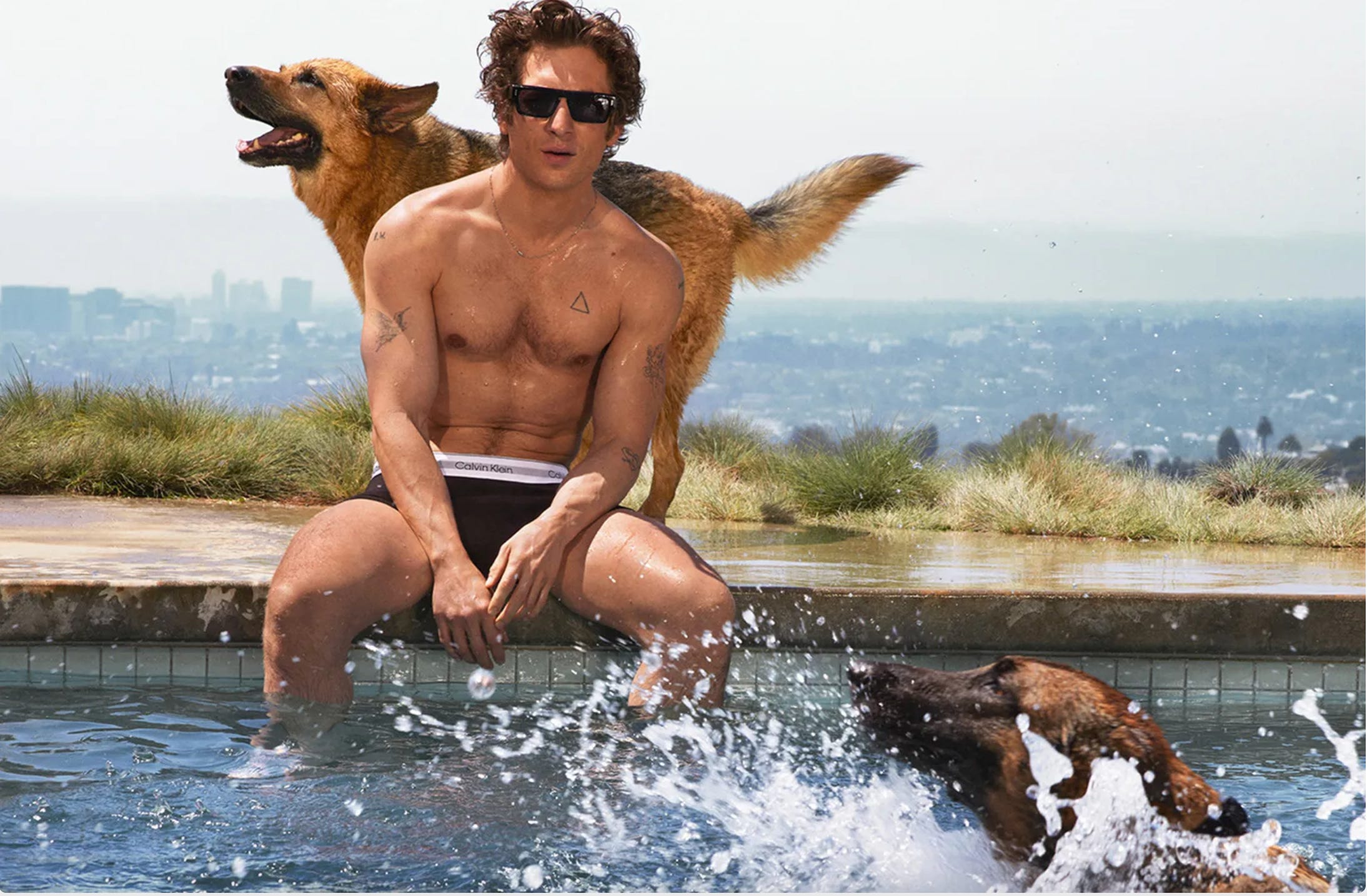
Key Tactic: Betting on cultural moments and emerging stars. Calvin Klein harnessed White’s breakout appeal and built momentum with consistent follow-ups.
4. E.l.f. Cosmetics: Best Purpose-Driven Marketing
E.l.f. leaned into bold purpose-driven marketing this year. Their “So Many Dicks” campaign, aimed at highlighting the lack of diversity on corporate boards, was unmissable. Strategically placed visuals around New York’s Financial District called out how many men named Richard, Rick, or Dick dominate boardrooms compared to diverse groups.
In October, they launched “Dupe That!,” encouraging companies to replicate their commitment to change. This led to a 99% positive sentiment score—rare for any campaign.
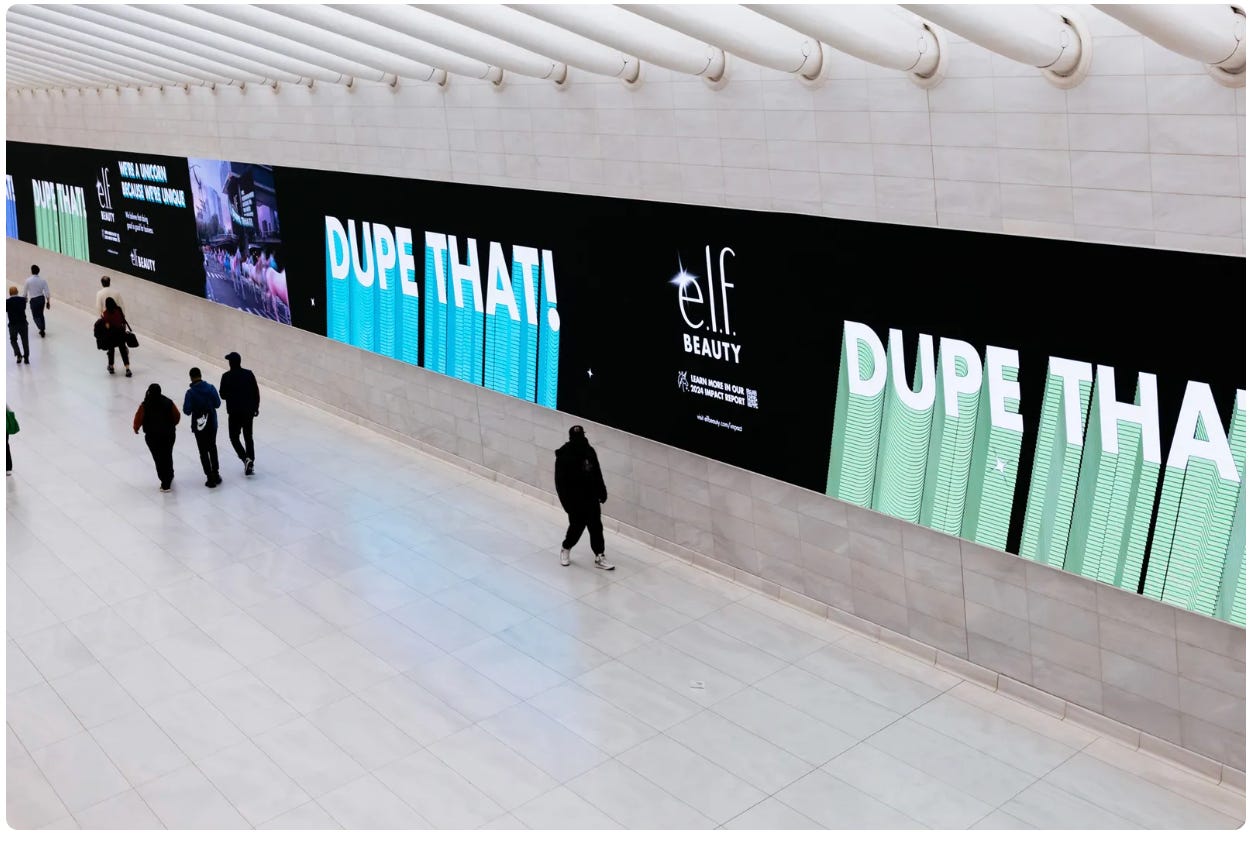
Key Tactic: Combining edgy creativity with bold messaging. E.l.f. didn’t just call for change; they made it stylish and unignorable.
5. Gap: Best Use of Music in Marketing
TikTok ruled 2024, and Gap capitalized with music-driven campaigns that resonated with Gen Z. In the fall, they teamed up with Troye Sivan for “Get Loose,” featuring Thundercat’s viral hit “Funny Thing.” The ad showcased Gap’s wide-fit denim with choreographed dance moves by the CDK Company.
Engagement rates averaged 8.72%, and video view rates hit 50.3%, outperforming industry benchmarks. This campaign followed a successful spring effort with singer Tyla.
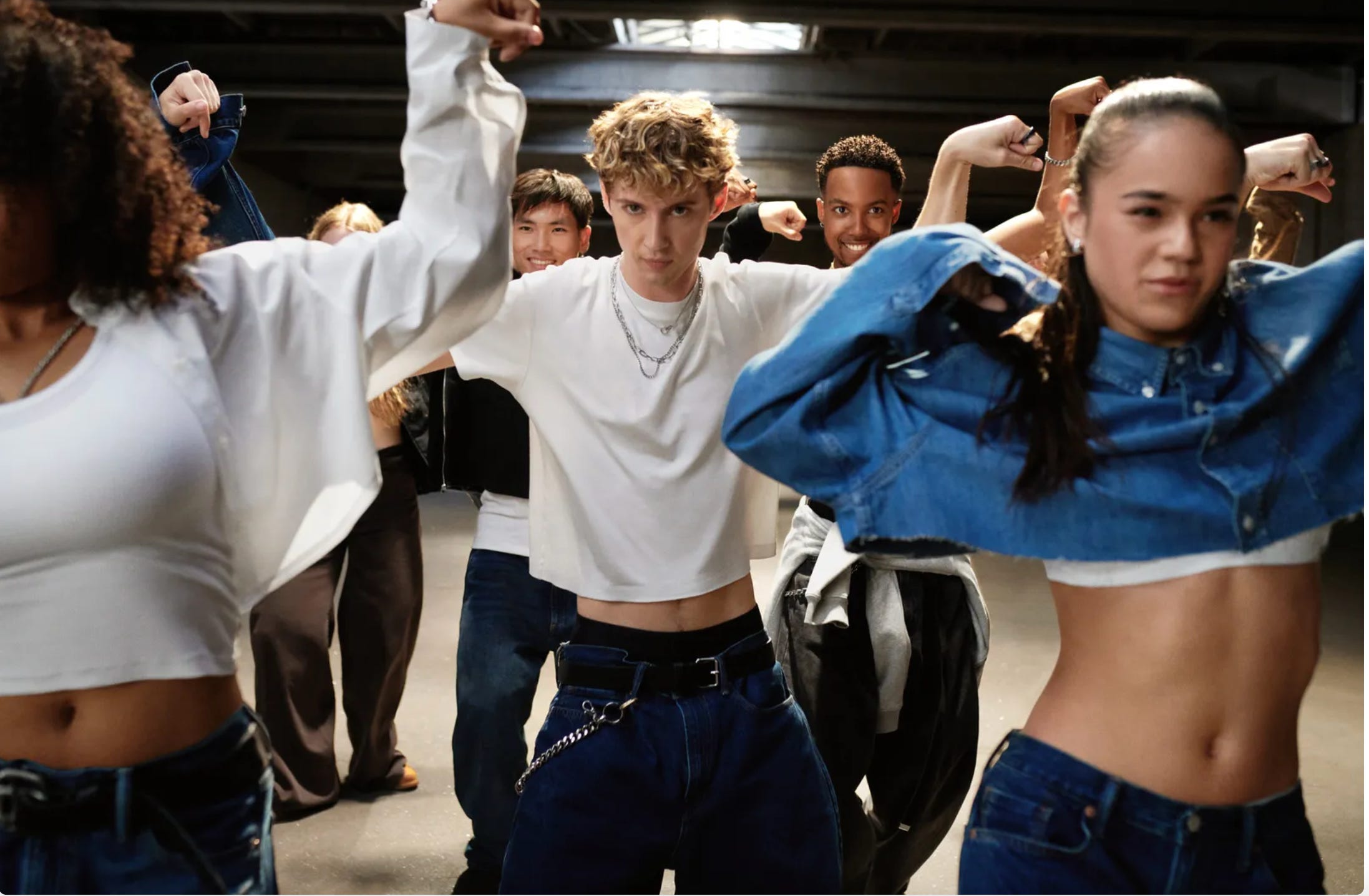
Key Tactic: Aligning with viral music and up-and-coming artists to inspire organic user engagement. Gap made itself part of TikTok’s cultural conversation.
6. Lay’s “Groundhog Lay’s”: Best Media Strategy
Lay’s skipped the $7 million Super Bowl ad price tag and created a Groundhog Day-themed campaign. Starring Stephen Tobolowsky, the ads aired 75 times on ABC for Groundhog Day, recreating the time-loop concept of the iconic movie.
The campaign generated 1.4 billion earned media impressions and bagged multiple Clio awards. The effort was pulled together in just two weeks and became a case study for hacking the cultural moment.
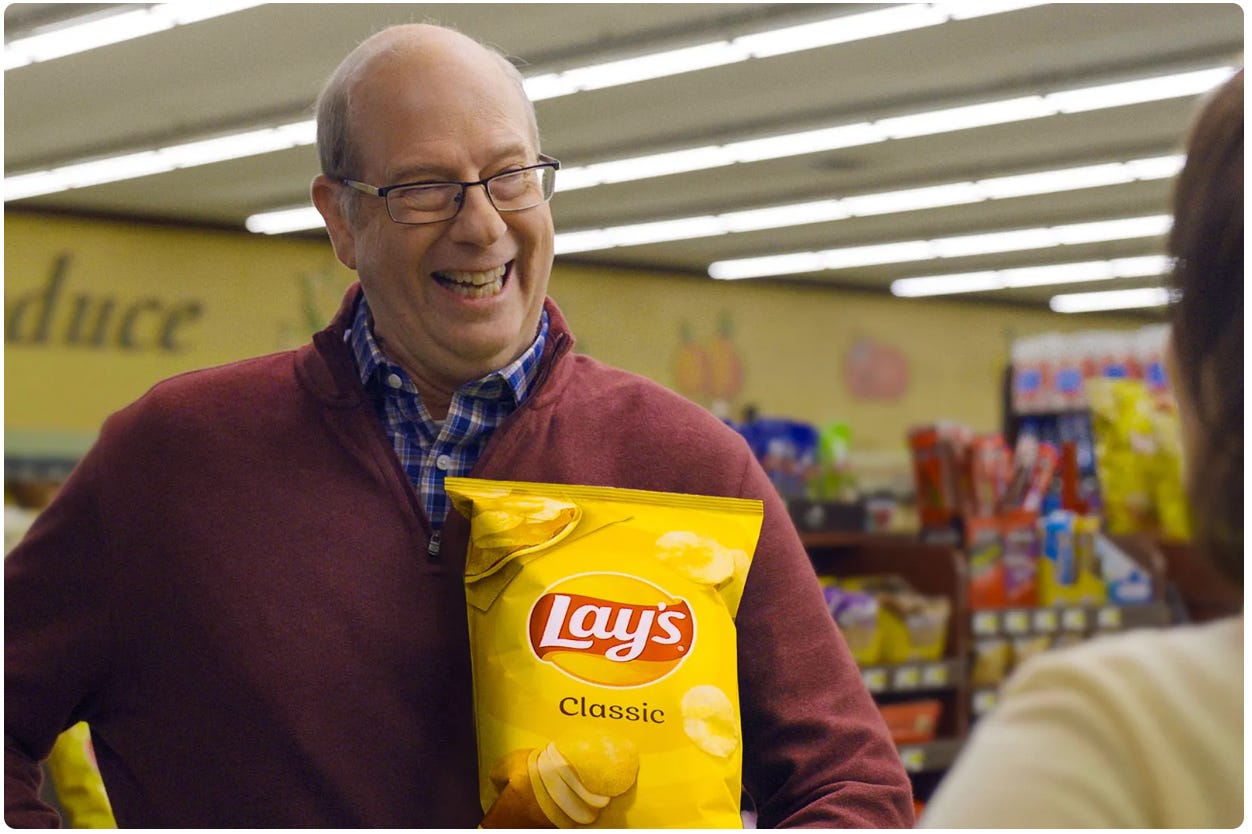
Key Tactic: Clever use of an underutilized calendar holiday paired with lean execution to maximize buzz.
7. Heineken’s “Boring Mode”: Best Mobile Campaign
Heineken encouraged people to put down their phones and enjoy real-life moments with their “Boring Mode” app. The app blocked notifications and camera functions, turning phones into “boring phones” for a set period.
The campaign launched at Milan Design Week with physical Y2K-inspired phones developed in collaboration with streetwear brand Bodega. Over 70,000 people tried to snag one of the 5,000 units. Heineken’s research showed that 35% of Gen Z and millennials want to reduce phone use during social events, making this campaign resonate deeply.
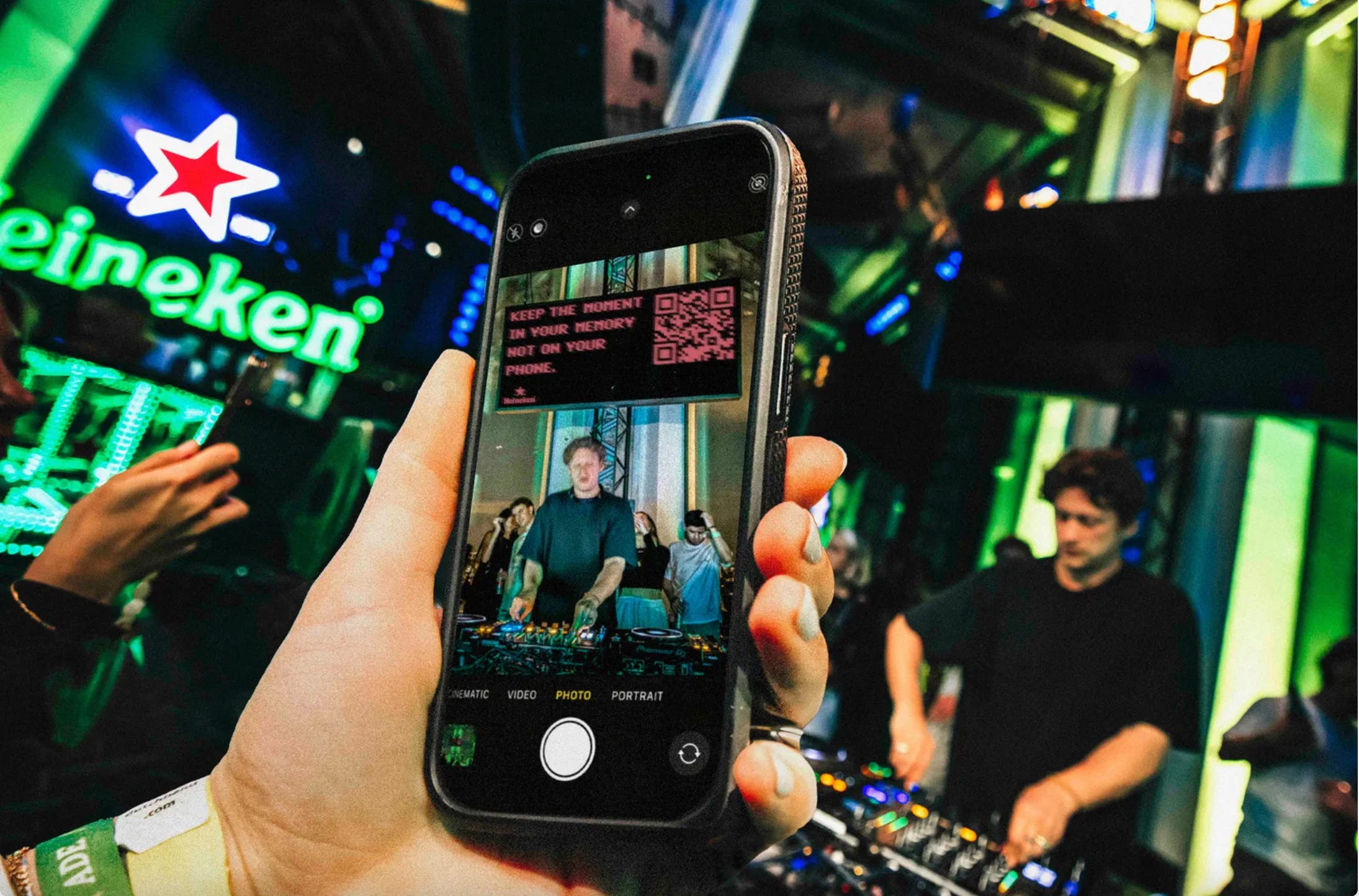
Key Tactic: Blending nostalgia with behavioral insight. Heineken didn’t just preach connection—they made it happen with a functional tool.
Lessons for Marketing Leaders
In a year where pressure to deliver results with fewer resources was high, these campaigns stood out by combining creativity, strategy, and a deep understanding of cultural and consumer trends. Here are key takeaways:
Think Beyond Paid Media: Liquid Death thrived on creativity.
Use Nostalgia Strategically: Chili’s and Heineken showed that retro ideas can work when tied to modern goals.
Choose Partners Wisely: Calvin Klein and Gap demonstrated the value of aligning with stars and music that resonate.
Be Bold: E.l.f. proved that edgy, purpose-driven marketing can generate meaningful buzz.
Capitalize on Calendar Moments: Lay’s turned an ordinary holiday into an extraordinary campaign.
2024 wasn’t just a year of marketing highs and lows—it was a masterclass in how to stand out. These campaigns offer inspiration for brands aiming to do more with less in 2025. The formula is clear: take risks, stay authentic, and know your audience.
Source: https://www.marketingdive.com/news/best-marketing-campaigns-2024-advertising-tactics-cmo-lessons/734003/