
Consumer Trends that Matter For Marketers Prepping 2025
Emerging consumer trends offering brands new ways to connect with eager consumers.

Riding the Wave: How Emerging Consumer Trends Are Shaping Marketing Strategies
Despite economic uncertainties and mixed sentiments about the economy, consumer spending remains robust. Let's dive into the latest consumer trends and explore how they are impacting marketing strategies.
Consumer Spending Is Strong and Resilient
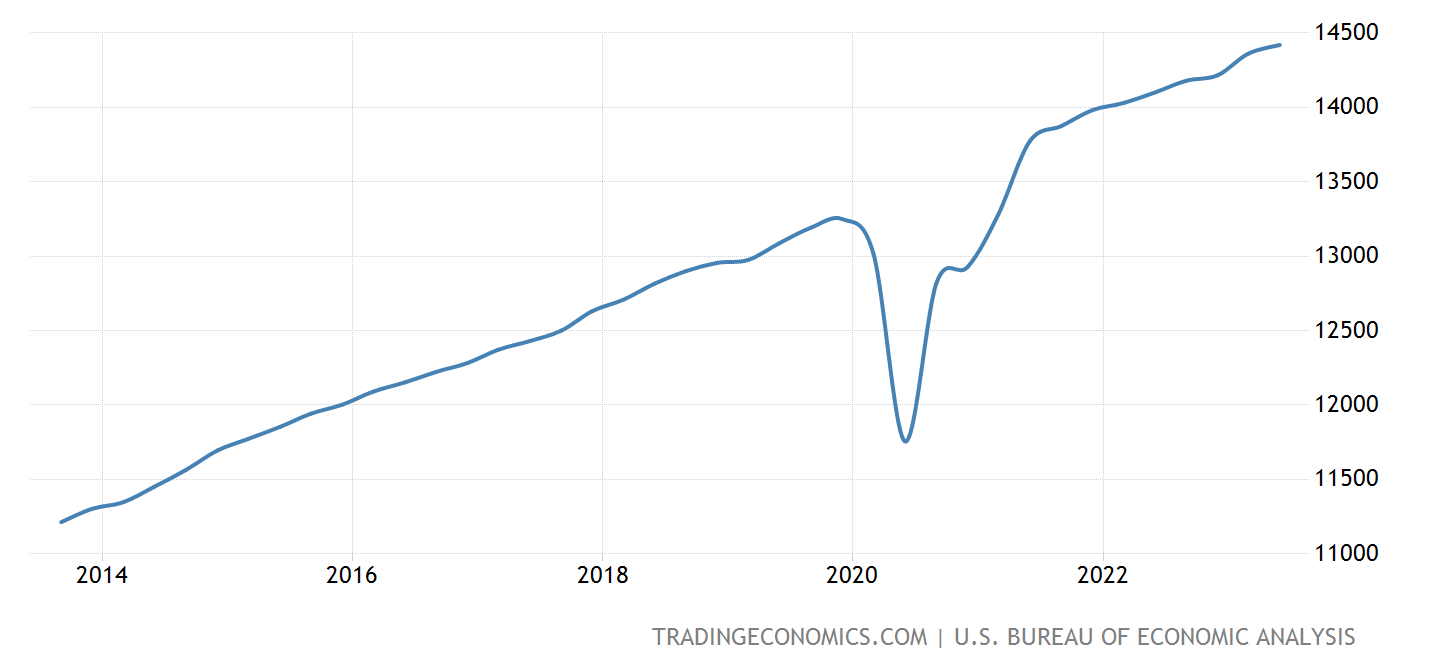
The Y-axis is in billions here and data is quarterly, meaning that the chart ends at around ~$14.5 trillion in quarterly U.S. consumer spend.
Despite economic uncertainties and mixed feelings about the state of the economy, consumer spending in the United States remains impressively strong. After a significant dip in 2020 due to the pandemic, spending rebounded and has been on an upward trajectory ever since. In the most recent quarter, consumer expenditures reached approximately $14.5 trillion. This marks a substantial increase compared to previous years.
Credit and debit card usage underscores this growth. A study by Bank of America revealed that card spending rose by 5.9% in 2022, even in the face of high inflation and a declining stock market—the S&P 500 fell by 19.64% that year. Yet, consumers continued to open their wallets. This positive trend carried into 2023 and 2024, with spending levels surpassing those of prior quarters.
Millennials play a key role in this resilience. Contrary to the stereotype of the financially struggling young adult, data from the U.S. Census Bureau shows that by 2019, Millennial households earned $9,000 more per year than Gen X households did at the same age, and $10,000 more than Baby Boomer households, adjusted for inflation. This increased earning power translates into higher spending on housing, technology, travel, and wellness products.
For marketers, this is a golden opportunity. Consumers are not just spending more; they're eager to discover new products and experiences. Brands that align with these spending habits can position themselves for significant growth. The strong consumer spending landscape means there's a willing audience ready to engage with innovative offerings. It's an ideal time for businesses to connect with consumers who are not just ready but excited to spend.
The Underrated Potential of Consumer Tech
Consumer tech firms have delivered some of the biggest successes in recent history.
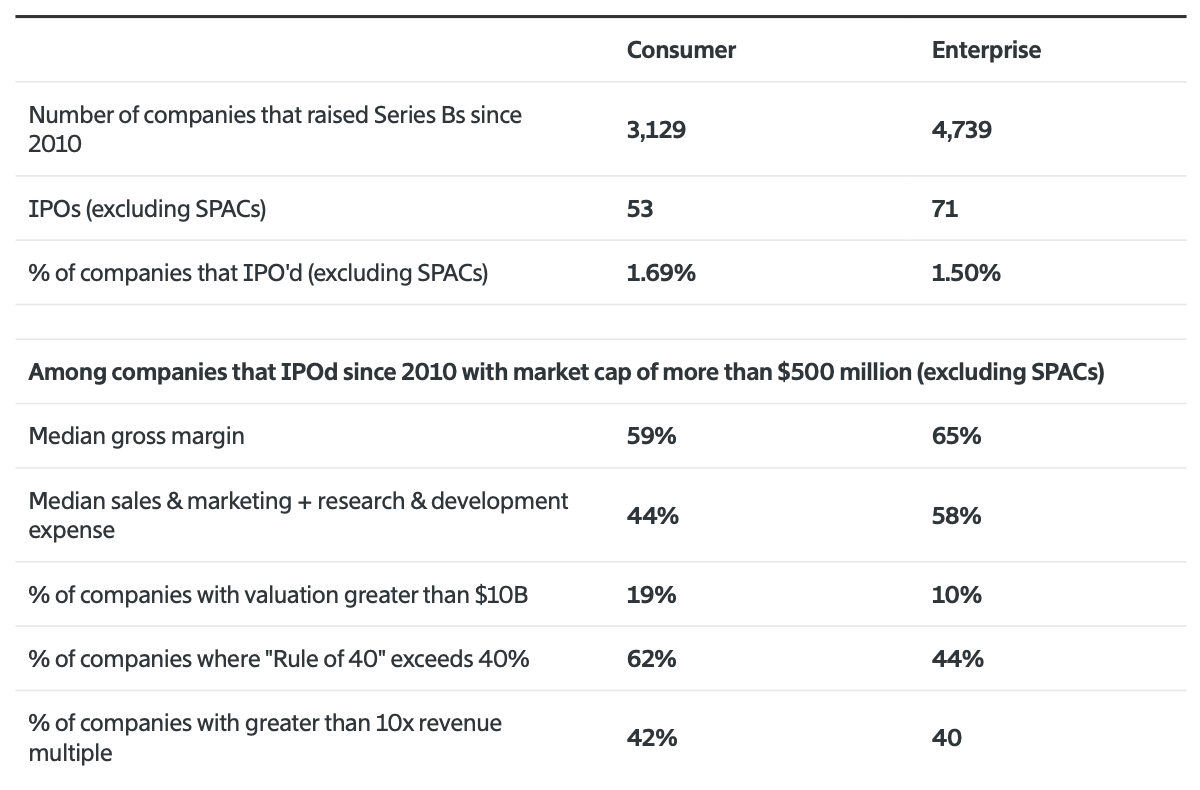
Look at companies like Uber, Airbnb, and DoorDash. They started as consumer-focused startups and grew into industry giants. Uber's market capitalization is about three times larger than Snowflake's, which is notable since Snowflake is the largest enterprise IPO of the last decade. Airbnb's valuation is roughly double that of Snowflake, and DoorDash is in the same ballpark.
Newer consumer tech companies are also making waves. Canva, a user-friendly design platform, generates over $2.3 billion in annual revenue and has 185 million monthly users across 190 countries. Impressively, it's been profitable for more than seven years. Midjourney, an AI image-generation tool, pulled in over $200 million last year without any external funding.
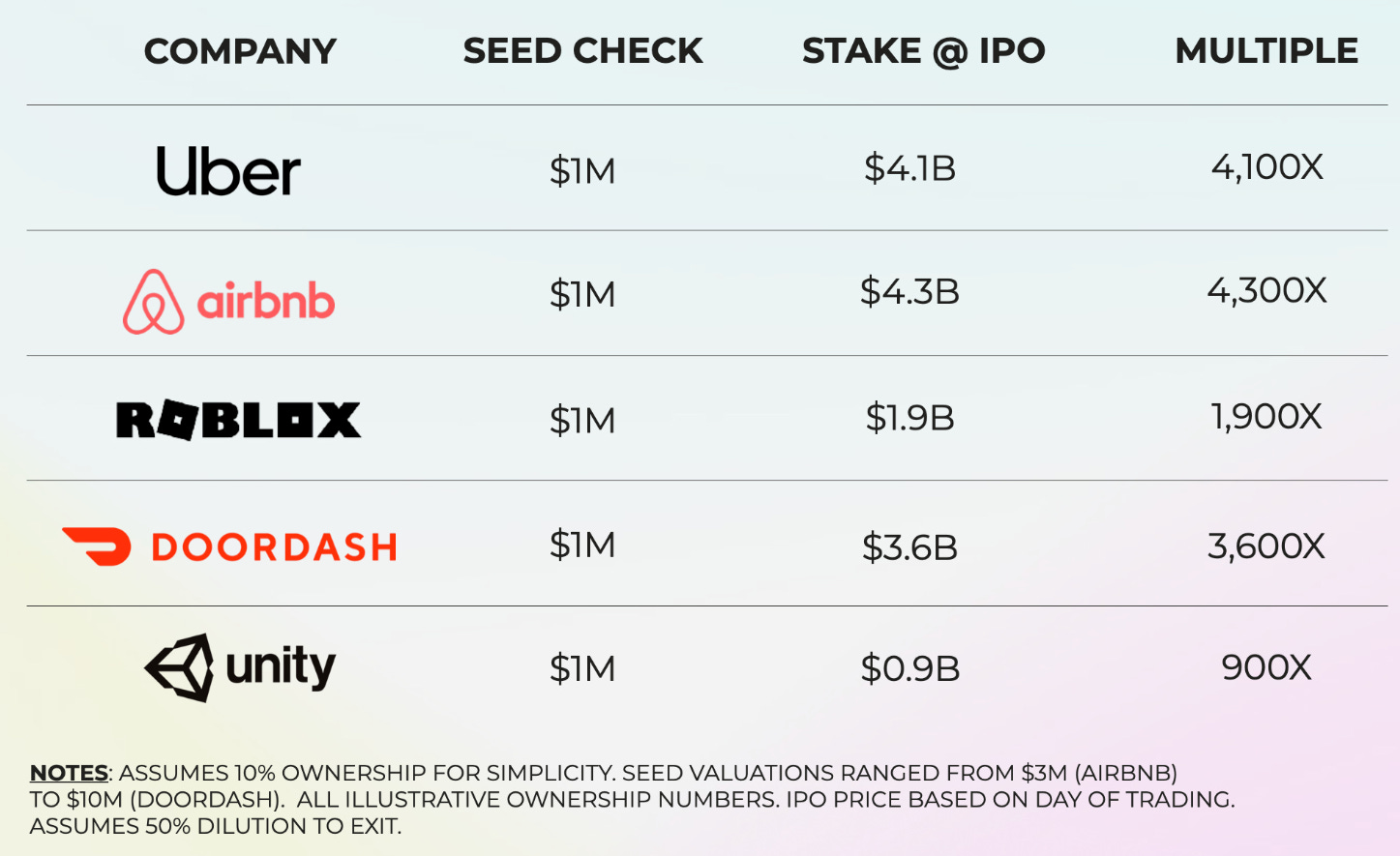
For marketers, this sector is a goldmine. Consumer tech platforms often have massive user bases and high engagement levels.
AI Applications Are Transforming Consumer Interactions
Artificial Intelligence is revolutionizing how consumers engage with brands, offering marketers new avenues to connect with their audiences. AI-powered applications are now integral to daily life, enhancing experiences in education, shopping, entertainment, and more.
In content creation, platforms like Midjourney allow users to generate high-quality images using AI algorithms. Remarkably, Midjourney reported over $200 million in revenue last year, demonstrating the commercial viability of AI-driven creativity. Brands can use such tools to produce compelling visuals without hefty costs. For instance, the payment company Klarna saved $6 million on image production by adopting AI technologies, cutting their marketing expenses by 25%.
AI agents and virtual assistants are also reshaping consumer behavior. The rise of AI-powered chatbots and personal shopping assistants enables consumers to receive tailored recommendations and make purchases through conversational interfaces. Companies integrating these AI agents can enhance customer engagement and streamline the shopping experience.
Marketing Takeaway: Embracing AI applications isn't just about efficiency; it's about creating personalized, engaging experiences that resonate with consumers. By integrating AI into consumer interactions, marketers can boost engagement, improve customer satisfaction, and drive higher conversion rates.
Social Shopping Is the New Norm
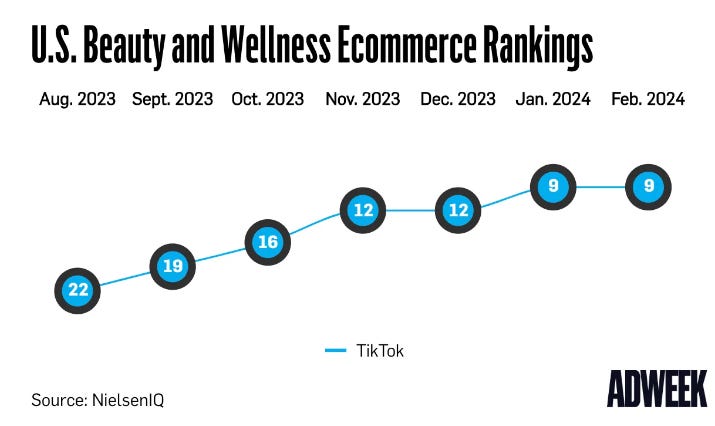
Shopping habits are changing rapidly, and social media is at the heart of this transformation. Platforms like TikTok, Instagram, and Facebook are no longer just for sharing photos, they're becoming major shopping destinations. In less than a year, TikTok Shop has climbed to become the 9th-largest beauty e-commerce retailer in the United States, outpacing many established department stores.
Young consumers are driving this shift. They prefer interactive and social experiences when shopping. Apps like Claim are gaining traction on college campuses. Claim lets users discover new brands, earn cashback, and share rewards with friends. It's turning shopping into a communal activity.
Influencers are also playing a significant role. Platforms like Flagship allow creators to launch their own storefronts, connecting directly with their followers. This direct connection offers brands a new channel to reach engaged and loyal audiences.
Another trend is the rise of "dupe" culture. Websites like Dupe.com help shoppers find affordable alternatives to high-end products. Instead of spending $300 on designer sunglasses, consumers can find similar styles for $30. This appeals to value-conscious shoppers who still want style.
For marketers, this means adapting to new platforms and strategies. Leveraging social media, collaborating with influencers, and creating shareable content are now essential. Brands that embrace social shopping can tap into a growing market and connect with consumers in innovative ways.
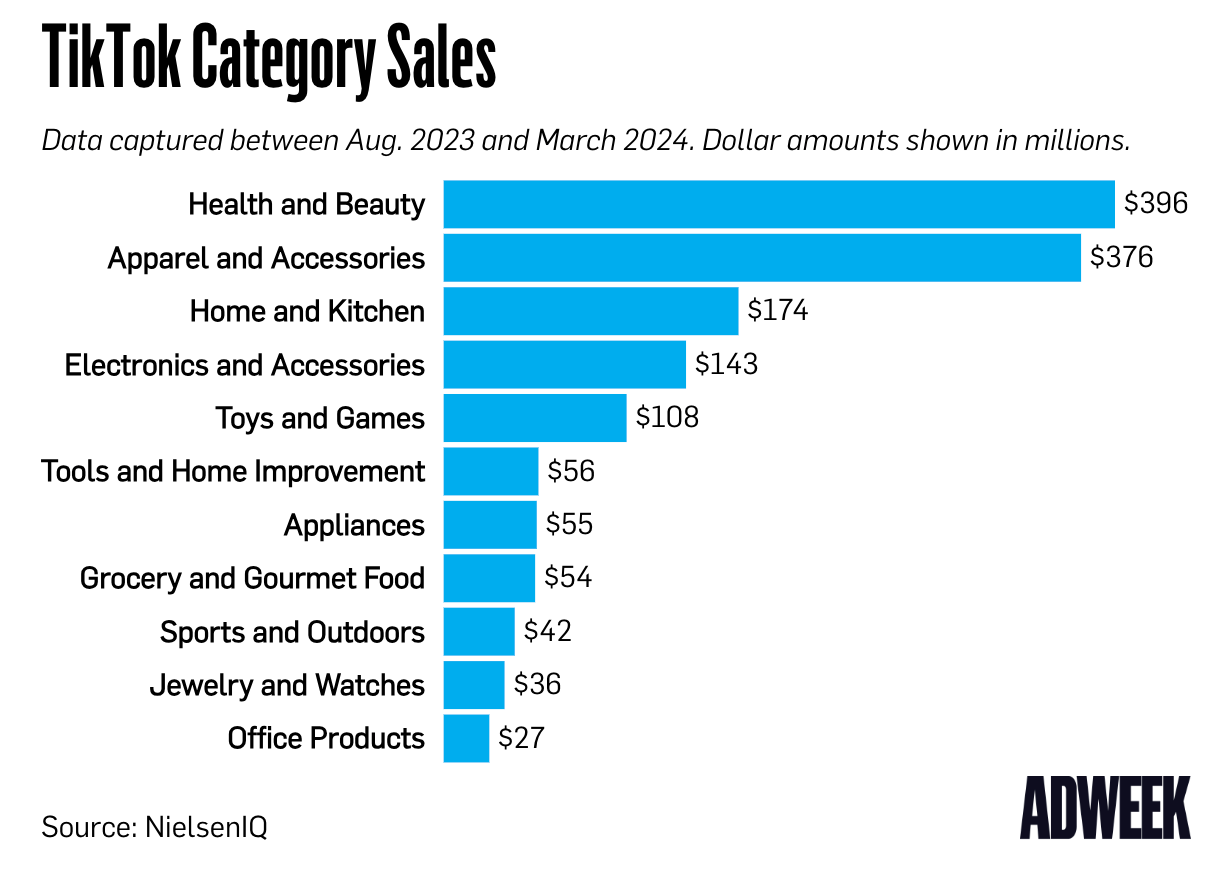
Social shopping isn't just a fad, it's the new norm. Embracing this trend can open doors to increased engagement and sales.
Aligning Marketing with Consumer Spending Patterns
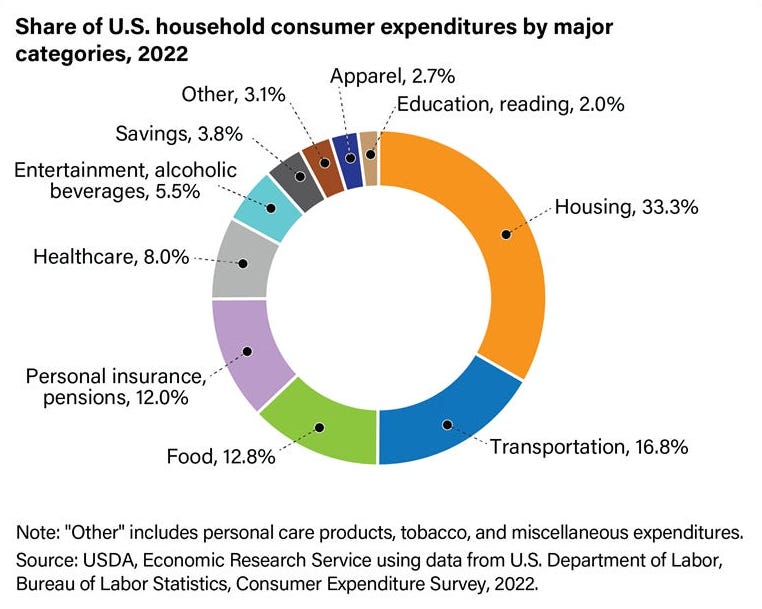
Understanding where consumers spend their money is key to effective marketing. The average American household allocates funds across several major categories, and aligning with these can boost a brand's impact.
Housing Expenses
Housing is the largest expense, consuming about 33% of household spending. This includes rent or mortgage payments, utilities, and maintenance. Companies like Bilt have innovated by allowing renters to earn rewards on their rent payments, turning a necessary expense into a value-added experience. Marketers can explore similar strategies to add value in this substantial spending category.
Transportation Costs
Transportation takes up a significant portion of the budget. Brands like Uber and DoorDash have leveraged this by offering convenient services that save time and effort. Uber revolutionized personal transport, while DoorDash brings meals directly to consumers. Emphasizing convenience and time-saving features can resonate with consumers who value efficiency.
Food and Dining
Food is another major area of expenditure. The rise of food delivery apps shows a consumer desire for convenience and variety. Brands can stand out by offering unique products, exceptional service, or personalized experiences. For example, meal kit services that cater to specific diets can attract health-conscious customers.
Recreation and Wellness
Spending on recreation and wellness is growing. Consumers invest in gym memberships, wellness products, and leisure activities. Marketers in these sectors can highlight the health benefits and enjoyment their offerings provide.
Marketing Takeaway
By aligning marketing efforts with consumer spending habits, brands can position themselves more effectively. Using data to understand these patterns allows for targeted campaigns and products that fit seamlessly into consumers' lives. It's about meeting customers where they are and offering solutions that match their needs.
The Importance of Adaptability in Marketing
Consumer trends shift quickly. What was popular yesterday might be outdated today. That's why adaptability in marketing is crucial.
Take social media platforms, for example. TikTok emerged rapidly, reaching over 1 billion active users in just a few years. Brands that adapted their strategies to include TikTok saw significant engagement boosts. Those that didn't adapt missed a massive audience.
The pandemic also forced quick changes. In 2020, online shopping in the U.S. grew by 44%. Businesses that swiftly moved to or enhanced their e-commerce platforms capitalized on this surge. Others, slow to adapt, faced declining sales.
Technology advances demand adaptability too. Artificial Intelligence is now a key player in marketing. Companies using AI for personalized recommendations saw a 20% increase in customer engagement. Ignoring AI means falling behind competitors who use it to enhance customer experiences.
Consumer values are changing as well. Sustainability matters more than ever. A survey found that 73% of Millennials are willing to pay extra for eco-friendly products. Brands that adapt by highlighting sustainable practices can tap into this growing market segment.
Adaptability isn't just about reacting to changes, it's about anticipating them. Marketers need to stay informed and be ready to pivot strategies. This might mean exploring new platforms, adopting emerging technologies, or aligning with evolving consumer values.
Conclusion
Marketers who understand the above trends and adapt their strategies accordingly can connect more deeply with consumers. Whether it's through AI-powered applications, or social shopping platforms, the key is to meet consumers where they are and provide value that resonates.
Source: https://substack.com/home/post/p-145032006